
The units you will see in Nairobi
Buy produce from three suppliers and you may get three different units for the same item: one sells tomatoes by the kilo, one by the crate, one by the piece. Before you can compare prices, you need to know what each unit really holds.
| Unit | Typical items | Is it a fixed amount? |
|---|---|---|
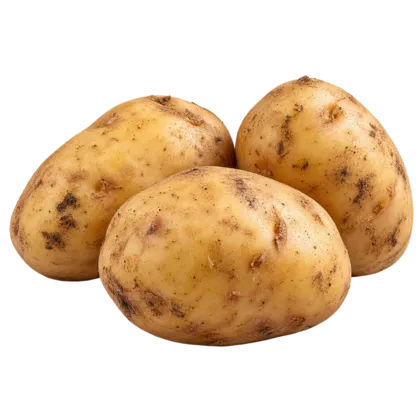
| Kilo (kg) | Tomatoes, onions, potatoes, carrots, capsicum (hoho), ginger, most fruit | Yes. The easiest unit to compare and to check on a scale. |
| Bunch | Sukuma, spinach, managu, terere, dhania, mint, rosemary | No. Size varies between suppliers and seasons. |
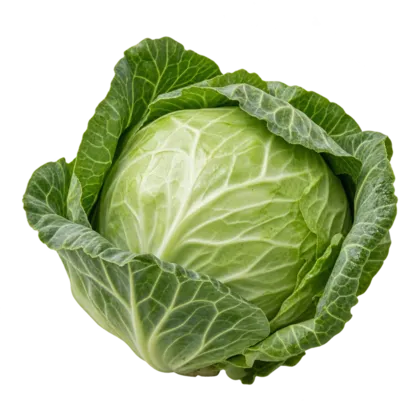
| Piece | Cabbage, pineapple, apples, watermelon at markets | No. A large cabbage can weigh twice a small one. |
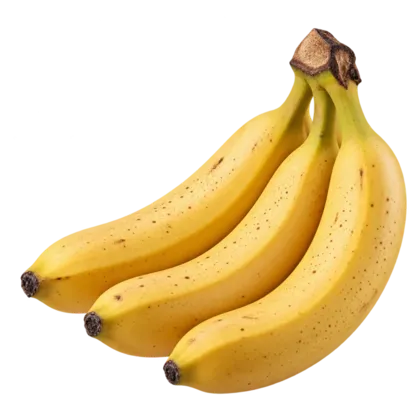
| Pack | Bananas in fives, oranges in tens, celery by 500 g, strawberries by the punnet | Partly. The count or weight is stated, the size of each piece is not. |
| Crate, bag or tin | Tomatoes, onions, potatoes, cabbages and fruit at wholesale markets | No. Weight depends on the container and how it is packed. |
Why the kilo is the honest unit
A kilo is a kilo on any scale. You can check it when the delivery arrives, compare it across suppliers, and cost a recipe from it. Most vegetables and fruit on the Wapishi price list are sold by the kilo, with the unit next to every price.
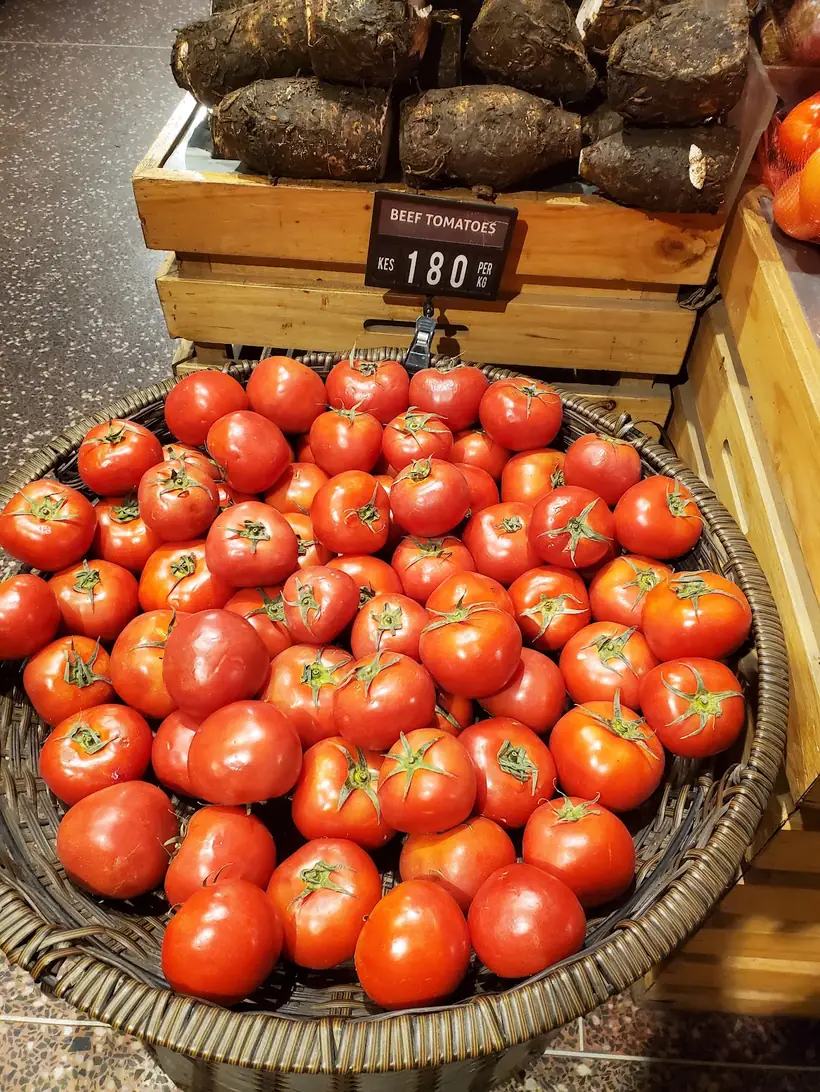
The kilo still hides one thing: waste. A kilo of tomatoes is nearly all usable. A kilo of sukuma loses its thick stems, and a kilo of pineapple loses its skin and core. More on that below.
Bunches: agree what a bunch means
Greens and herbs are sold by the bunch almost everywhere in Kenya, and no two suppliers tie the same bunch. A cheap bunch that is half the size of a dearer one is not cheap.
- Weigh one bunch from each supplier you are comparing.
- Divide the price by the weight to get a price per kilo.
- Check again in a different season. Bunches shrink when greens are scarce.
- Tell your supplier what size you expect, and say so when a delivery comes in small.
Greens cook down a lot. Managu and spinach shrink to a fraction of their raw volume in the pot, so order from the cooked portion you need, not from how full the crate looks.
Pieces and packs
Cabbages, pineapples and apples are sold by the piece because that is how they are used. The risk is size. If your menu depends on a portion count, such as a quarter cabbage per plate, ask what size the pieces usually are, and check a few on the scale when they arrive.
Packs, such as five bananas or ten oranges, tell you the count. That is the right unit when you serve whole fruit at breakfast or in a lunch box. For juice or fruit salad, the weight matters more than the count.
Crates, bags and buying at the market
At Nairobi’s wholesale markets, tomatoes, onions, potatoes and cabbages often change hands by the crate, bag or a measure such as a tin. The price per crate can look low. Before you compare it with a per-kilo price, find out what is in it.
- Ask for the weight. Crate and bag sizes differ, and the same crate can be packed loose or tight. If the seller cannot tell you, weigh one.
- Look below the top layer. The best produce is often on top.
- Count the hidden costs. Transport, the time of the person who went, sorting, and the share that spoils before you use it.
- Buy a crate only if you can use it. A crate of ripe tomatoes is a bargain for a busy kitchen and a loss for a small one.
Compare by the usable kilo
The fairest comparison is the cost of each kilo that actually reaches the plate. Work it out once for your main items and keep the numbers.
- Price per kilo bought. Price divided by weight. For a bunch, piece or crate, weigh it first.
- Usable share. Weigh what is left after trimming, peeling and coring, and divide by the starting weight.
- Price per usable kilo. Price per kilo bought divided by the usable share.
Once you have the usable kilo, recipe costing and menu pricing get far more accurate, and price changes from week to week are easy to spot.
How Wapishi lists units
Every item in the Wapishi shop and on the weekly price list shows its unit beside the price: per kg, per bunch, per piece, or a stated pack such as five bananas or 500 grams of celery. Prices are updated every week, and the shop always shows the current price.
If you are not sure what a unit will look like in your kitchen, ask for a free sample pack and put it on your own scale. Product pages in our food also say how each item is sold.