



Why the first ten minutes matter
A delivery is easiest to put right while the driver is still in your kitchen. Once the crates are in the cold room and the driver has gone, a short weight becomes your word against theirs, and bruised tomatoes could have been bruised by anyone.
A good receiving check takes about ten minutes for a normal restaurant order. It does not need to be formal. It needs to happen every time, done by someone who knows what was ordered.
Before the delivery arrives
- Have the order to hand. Print it, or keep it open on the phone of the person receiving. If you ordered in the Wapishi shop, the order is in your account.
- Clear the space. A clean table or a free shelf near the door, and room in the cold room for the chilled items.
- Check the scale. Put a known weight on it, such as a sealed 1 kg pack of sugar. A scale that reads light or heavy makes every check meaningless.
- Name the receiver. One person per shift who is allowed to refuse an item.
The receiving checklist
Work through it in this order. The first three steps catch most problems.
- Count against the order. Every line: is it there, is it the right item, is it the right quantity? Watch for substitutions, such as green capsicum (hoho) instead of red, or white onions instead of red.
- Weigh the kilo items. Weigh a sample, and always weigh the expensive ones. Weigh produce without the crate, or weigh an empty crate first and take it off.
- Count the piece and bunch items. Count cabbages, pineapples and apples. For greens, check that bunches look like the size you agreed.
- Feel the temperature. Greens and herbs should feel cool, not warm. Warm, sweating greens in a closed bag will not last.
- Open every crate. Look under the top layer. Bruising, mould and wet patches hide at the bottom.
- Cut one sample. For avocados, mangoes and pawpaw, cut one to check the inside.
- Write it down. Note any shortfall, substitution or rejected item on the delivery note before you sign, and ask the driver to see it.
What good looks like, item by item
| Item | Accept | Question it |
|---|---|---|
| Sukuma, spinach, managu, terere | Firm, deep green leaves, cool to the touch | Yellow edges, slimy stems, warm or wet bunches |
| Dhania, mint | Upright, fragrant, no black leaves | Wilted, dark or slimy at the base |
| Tomatoes | The ripeness you ordered, firm, unbroken skin | Split skins, soft patches, leaking at the bottom of the crate |
| Onions | Dry, papery skins, firm necks | Soft necks, sprouting, damp or mouldy skins |
| Potatoes | Firm, clean, no green patches | Green skin, sprouts, cuts or soft spots |
| Capsicum (hoho) | Glossy, firm, heavy for its size | Wrinkled skin, soft patches, black spots |
| Cabbage | Heavy, tight head, fresh outer leaves | Light for its size, split head, slimy outer leaves |
| Avocados, mangoes | The ripeness you ordered, no deep bruises | Sunken patches, cracked skin, grey or stringy flesh in a sample |
| Bananas | Bunch intact, ripeness as ordered | Split skins, black and soft through |
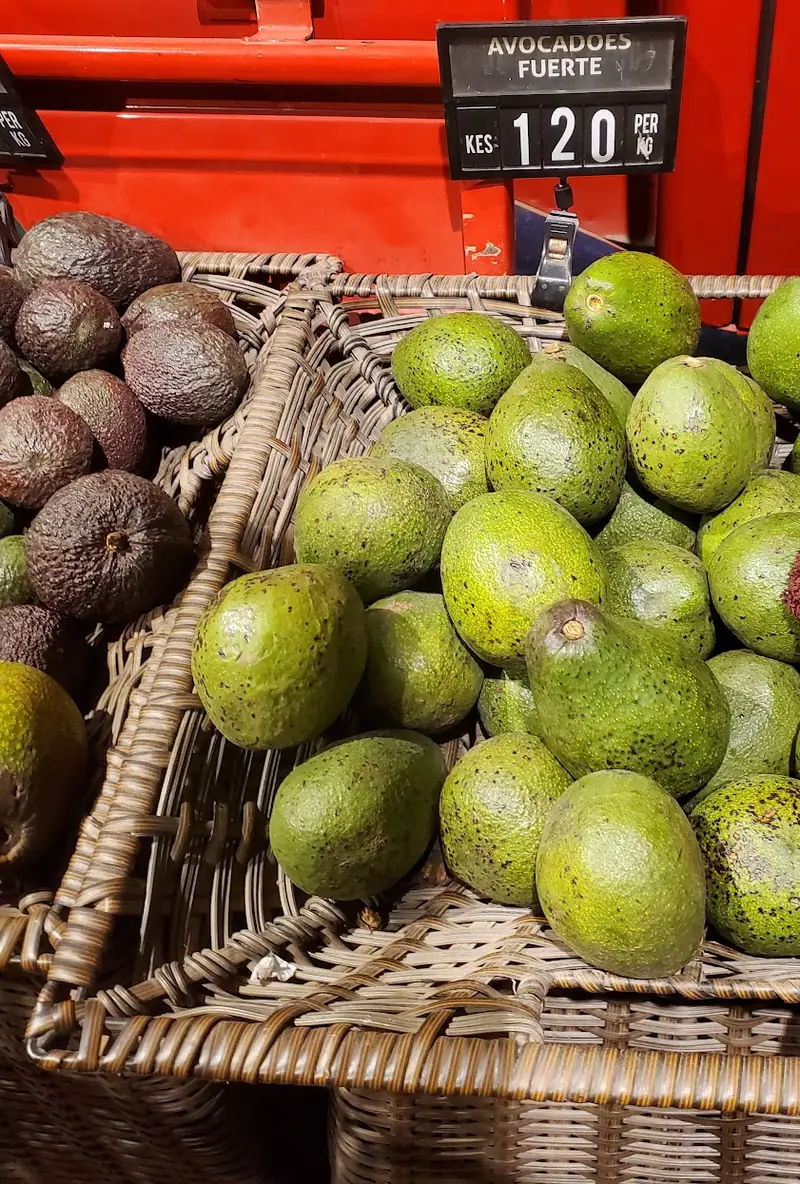
“Ripeness as ordered” matters. Firm avocados that will be ready on Saturday are a good delivery for a weekend menu and a bad one for tonight. Tell your supplier which you need.
When something is wrong
Most problems are honest mistakes: a crate packed for another order, a short bunch, a scale that drifted. They are fixed fastest when the report is clear.
- Photograph it with the delivery note. One photo of the item and one of the note, before anything is moved.
- Say exactly what is wrong. “Tomatoes: ordered 10 kg, received 8.6 kg” is fixed in minutes. “Tomatoes not okay” starts a conversation.
- Tell the supplier the same day. Send it while the driver is there if you can.
- Keep the item. Do not throw away rejected produce until the supplier has agreed what happens next.
With Wapishi, send the photos and the order details on WhatsApp to 0769 912 227. If this is your first order and you want to judge quality before committing, ask for a free sample pack first.
Make it a habit, not a fight
Suppliers notice which kitchens check. A kitchen that weighs, counts and reports calmly gets fewer short deliveries, because everyone in the chain knows mistakes will be seen. Keep a simple log: date, supplier, what was short or rejected. After a month it tells you which items and which days need more attention.
Prices are only half of what you pay for. Compare this week’s prices with what actually arrives on your scale, and you will know what produce really costs your kitchen.