
Three places, not one
Most kitchens lose produce for the same reason: everything goes into the cold room because the cold room feels safe. It is not safe for everything. Some produce is damaged by cold. Some ripens everything around it. And some only needs to be kept dry and dark.
Think of storage as three places, and give every delivery a home in one of them before the driver leaves.
| Where | What goes there | Why |
|---|---|---|
| Cold room or fridge | Sukuma, spinach, managu, terere, cabbage, broccoli, cauliflower, carrots, celery, leeks, spring onions, herbs, green peas, strawberries, grapes, cut fruit | Cold slows wilting and rot. Most leafy and green produce lasts days longer when chilled. |
| Dry store | Potatoes, sweet potatoes (ngwashe), nduma, onions, garlic, ginger, whole pumpkin | These keep for weeks when cool, dry, dark and aired. Cold and damp make them sprout, soften or rot. |
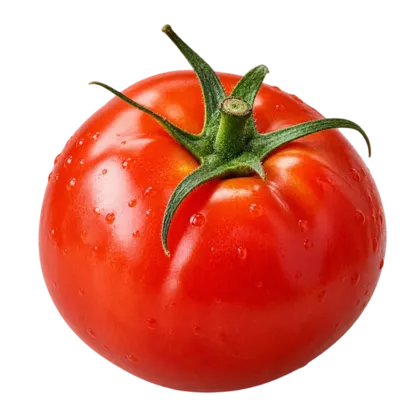
| Counter or ripening shelf | Tomatoes, bananas, plantains, matoke, unripe avocados, mangoes, pawpaw, pineapple | They are still ripening. Cold stops the ripening and damages the flesh. |
Once ripening fruit is ready to eat, a day or two in the cold room can buy you time. The table is for produce you are holding, not produce you are about to serve.
The cold room
The UK Food Standards Agency advises food businesses to set fridges to 5°C or below and to check them regularly. Nairobi afternoons and a door that opens all through service push the temperature up, so read a thermometer at the start of each shift rather than trusting the dial.
- Do not wash before storing. Water left on leaves and skins speeds up rot. Wash just before prep.
- Keep greens covered. A damp cloth or a loosely closed bag over sukuma, managu and spinach stops them drying out in the fan’s air.
- Stand herbs in water. Dhania and mint keep for days with their stems in a little water, like flowers. Rosemary is hardy and only needs wrapping.
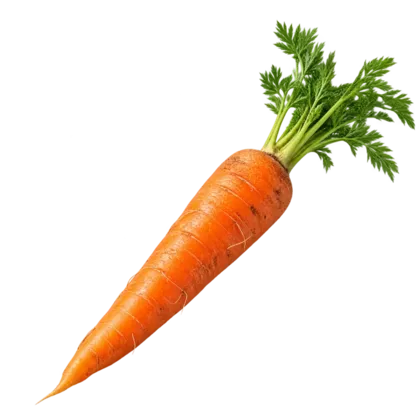
- Take the tops off carrots and beetroot. The leaves pull moisture out of the root.
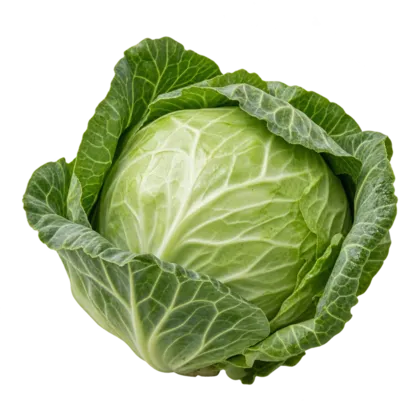
- Keep cabbages whole. Cut only what the day needs. A whole head keeps for a week or more when chilled.
- Let air move. Do not pack crates tight against the walls or the fan. Cold air has to reach every crate.
Cucumbers, courgettes, capsicum (hoho) and okra do best in the least cold part of the room, away from the fan. Too much cold leaves them soft and pitted.
The dry store
A dry store is any shaded, cool, aired space off the floor: a store room, a shelf away from the cookers, or slatted crates in a corridor. It needs three things. No light, because light turns potatoes green and bitter. No damp, because it rots onions and sprouts tubers. And air, so heat and moisture can escape.
Keep these apart
- Potatoes and onions, in separate crates
- Onions and anything that smells less than onions
- Ginger and garlic away from damp corners
Check every few days
- Soft or sprouting onions
- Green patches on potatoes
- Mould at the base of a crate
One soft onion or rotting potato spreads to the rest of the crate. Pick through the dry store twice a week and pull anything that has turned.
Ripening fruit and the greens problem
Bananas, avocados, mangoes, tomatoes, passion fruit and apples give off ethylene, a gas that speeds up ripening. That is useful on a ripening shelf. It is a problem next to greens, broccoli, cucumbers and herbs, which yellow and wilt faster when it is around. The UC Davis Postharvest Center publishes storage and compatibility charts if you want the detail.
In practice: give ripening fruit its own shelf, away from greens, both in the cold room and out of it. If you need unripe avocados ready for the weekend, put them together in a crate with a banana and they will soften faster.
First in, first out
Most produce does not spoil in storage. It gets forgotten behind the new delivery. Put new stock behind or below the old, and use the old first.
- Date every crate or bag with a marker or tape when it comes in.
- Move older stock to the front before the new delivery goes on the shelf.
- Keep a short “use today” tray in the cold room for anything that needs to go first.
How long each item keeps
These are working times for produce that arrives in good condition and is stored as above. Hot weather, bruising and a crowded cold room shorten them.
| Item | Where | Plan to use within |
|---|---|---|
| Spinach | Cold room, covered | 2 days |
| Sukuma, managu, terere | Cold room, covered | 2 to 3 days |
| Dhania | Cold room, stems in water | 2 to 4 days |
| Okra | Least cold part of the cold room | 2 to 3 days |
| Broccoli | Cold room | 3 to 4 days |
| Tomatoes | Counter, out of the sun | Depends on ripeness. Buy a mix of ripe and firm |
| Cabbage | Cold room, whole | A week or more |
| Carrots | Cold room, tops off | A week or more |
| Celery | Cold room, wrapped | A week or more |
| Onions | Dry store | Several weeks |
| Potatoes | Dry store, dark | Several weeks |
| Ginger | Dry store | Weeks. Wrinkled skin means it is drying out |
Every product page in our food has its own storage note, alongside this week’s price.
Store less by ordering closer to use
The best storage is a short one. Greens and herbs are cheaper to buy twice a week than to buy once and throw half away on Friday. Firm items such as onions, potatoes, carrots and cabbage are the safe ones to buy for the whole week.
Wapishi delivers at times agreed with you, with early-morning and night deliveries on request, so you can split an order into a weekly bulk drop and a smaller fresh drop. Order in the Wapishi shop, or see how ordering works.